
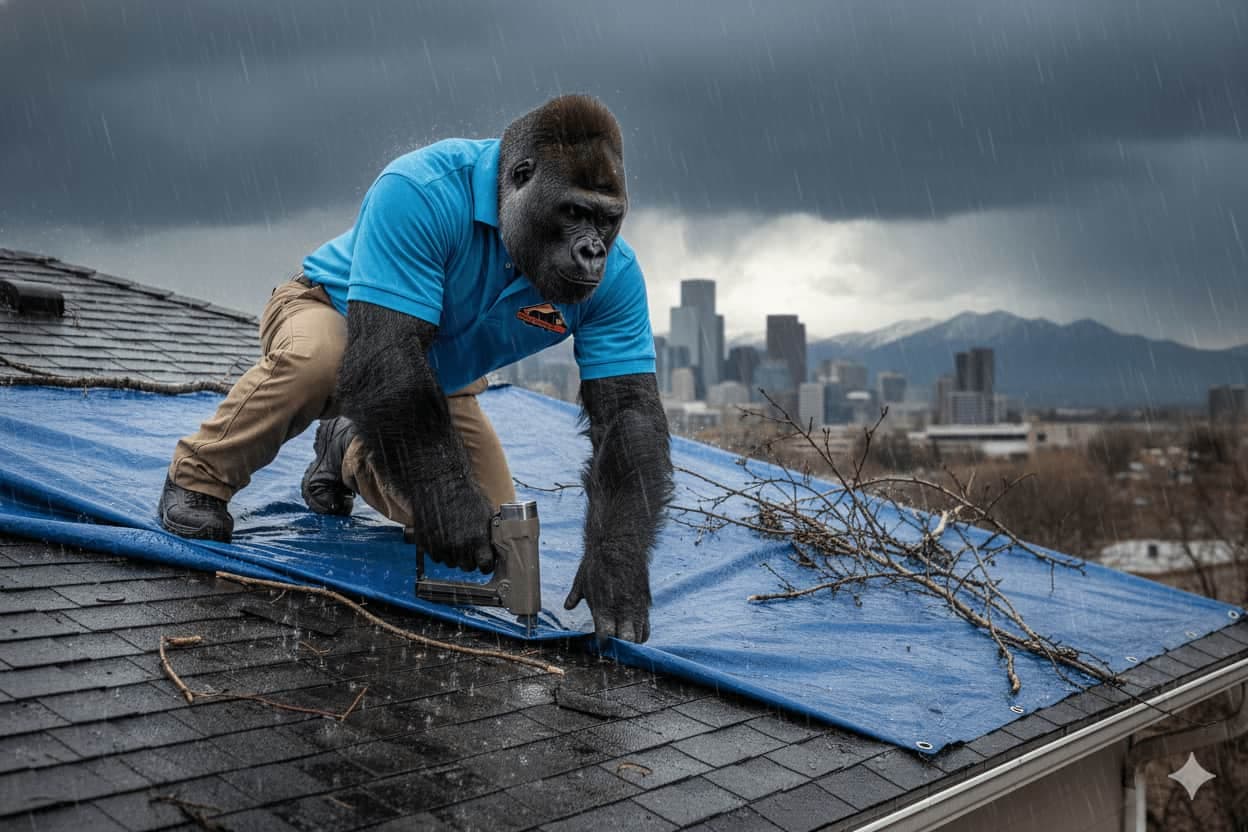
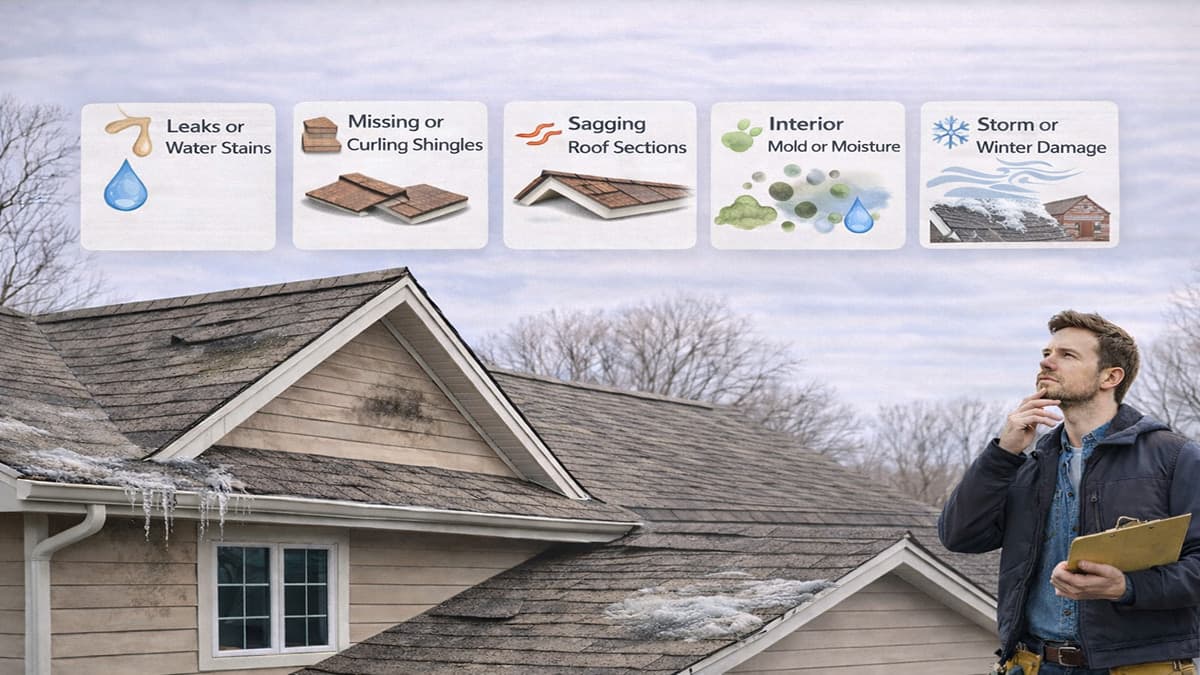
Denver Winters Put A Lot of Demand on a Residential Roof Winter in Denver is Hard Your roof takes a lot of abuse during the winter months. Heavy snow, ice accumulation, freezing temperatures and sudden storms can catch roof problems that otherwise are overlooked when the weather is warmer. Many people plan to have their roof replaced in the Spring, but waiting over the Winter can cause some very serious and expensive issues.
If your roof is compromised, it doesn’t wait until spring to fall apart. No, in most cases therefore the damage is even amplified during the winter and more water will penetrate deep into each structure. Being aware of the signs to look for can save you from having to make expensive emergency repairs and keep your home standing strong for years to come.
Why Waiting Until Spring Can Put Your Home at Risk
Putting off replacing the roof until spring might sound reasonable, but winter damage is hardly ever confined. Snow and ice can accumulate on the roof to add weight and moisture. The repeated freeze-thaw cycles push water into tiny cracks, which grow and deteriorate over time.
When you neglect your roof, the damage is typically not limited to just the roof. Attic insulation, interior ceilings and wall framing even electrical systems can all be impacted. In Denver’s unforgiving winter weather, taking action early is frequently the safest and most affordable recourse.
Sign #1: Your Roof Is Leaking During Winter
A roof leaking in winter is a clear indication that your roofing system has already failed in at least one area. Snowmelt can find its way under damaged shingles and then run along roof decking, making its presence known indoors. This makes winter leaks especially dangerous, since the culprit is often not visible.
If not treated promptly, roof leak water damage can lead to mold growth, ruined drywall, warped ceilings, and ruined insulation. Minor leaks can lead to major damage over time professional assessment is critical as soon as the leak is discovered.
Sign #2: Ice Dams Are Repeatedly Forming
How Ice Dams Develop
Ice dams form when warm air escapes from the attic and melts snow on the roof surface. As the water flows downward, it refreezes near the eaves, creating a barrier that prevents proper drainage. This leads to trapped moisture and ongoing ice dam roof damage.
Problems Caused by Ice Dams
Ice dams often result in:
- Water seeping under shingles
- Rotting roof decking
- Interior ceiling stains
- Insulation deterioration
Recurring ice dams are one of the most common signs you need a roof replacement, as they usually indicate underlying issues with ventilation, insulation, or aging materials.
Sign #3: Granule Loss on Shingles Is Becoming Noticeable
Why Granules Are Important
Shingle granules shield your roof from the sun’s harmful UV rays and weather damage. If you see a large amount of granules from shingles falling into your gutters and downspouts or scattered on the ground around the perimeter of your home, it’s excellent evidence that your roof is on its last legs.
When the granules are gone, shingles easily break and curl when struck, allowing moisture to seep inside particularly in freezing conditions.
When Granule Loss Becomes a Serious Concern
When you add in winter weather, lost granules dramatically raise the odds of leaks and storm-related damage. This is one of the most under rated signs that you need to replace your roof, especially with older roofs.
Sign #4: Storm or Hail Damage Has Weakened the Roof
The weather in Denver frequently includes heavy winds and hail, both of which can do silent damage to roofing. Homeowners often wonder “how much hail damage to replace roof,” especially when they cannot see any damage.
Hail’s forcefulness can bruise shingles and roofing components. A particularly severe storm or high winds can rip shingles right off your roof. As time goes on, these weakened spots water intrusion causes leaks. When storm damage is widespread across the entire body of shingles, it’s better to replace than repair.
Sign #5: Ongoing Repairs Are No Longer Solving the Problem
If your roof is constantly in need of repair, it might not be doing its job! Often when comparing the cost of repairs to how much to replace roof shingles, homeowners will discover that replacement makes more since as a long term investment.
A Colorado winter is a battle an old roof can’t always win. On-going piecemeal repairs frequently can defer the inevitable, and cost more in the long run.
Additional Warning Signs Your Roof Is Near Failure
Many homeowners miss early indicators until serious damage occurs. Recognizing the signs you need a roof replacement allows you to act before small issues become costly emergencies. In Denver’s winter climate, even minor problems can worsen quickly due to snow load and freeze-thaw cycles.
Common warning signs include:
- Recurring roof leaks
- Sagging or uneven rooflines
- Cracked, curled, or deteriorating shingles
Choosing the Right Roof Replacement Services
All roofing issues are not resolved with small repairs. Expert roof replacement services are committed to more than quick-fix solutions. A complete replacement will allow for removal of damaged materials, addressing underscoring issues, and ensuring new material is laid correctly for longevity.
Experienced roofers evaluate your ventilation, insulation, and structure to make sure your new roof performs against the harsh Denver weather. Hiring professionals will eliminate the need for future maintenance and keep your home in great shape throughout the year.
When Professional Roof Replacement Becomes the Best Option
Even if the issues are patched up superficially, there is often no substitute for expert attention. This Comprehensive Approach Professional roof replacement services take long-term protection into consideration, not just repairing patchy areas without dealing with the issues that are structurally at fault.
Roof replacement is often recommended when:
- Repairs no longer stop leaks
- Storm or hail damage is widespread
- Shingles show advanced wear or granule loss
How Much Hail Damage Is Enough to Replace a Roof?
One of the most frequent questions homeowners have ishow much hail damage to replace roof materials. Even the smallest hailstones can compromise shingles by causing bruising or cracking that’s not visible to the naked eye. These scarred portions will eventually become areas for water to enter into the roof.
It takes a pro to judge if hail damage is cosmetic or structural. When damage covers a larger area, replacing may be more cost-effective and safer than repairing multiple times.
Understanding the Cost to Replace Roof Shingles
How much to replace roof shingles is a question that often pops up in the mind of many homeowners, who are concerned about whether replacement will suit their budget. Prices differ based on roof size, material type and how much damage you have received during the storm. Yet early shingle replacement frequently averts such expensive damage to your interiors from leaking and seeping water.
By investing in timely roof replacement , you get better value out it by enhancing energy efficiency, diminishing maintenance cost and increasing the general health of your home.
When Emergency Roof Replacement Is Necessary
Certain situations require immediate action. In many cases, emergency roof replacement is the only course of action when you have severe leaks, extensive storm damage or if structural issues are a concern. Without replacing it in such cases, the interior could easily be damaged and safety would be jeopardized.
Well-established Emergency Roof Replacement companies will employ cold-temperature application methods so that your roof seals and holds up even in the dead of winter.
Roof Replacement Services Built for Denver Weather
Choosing experienced Roof Replacement Services is essential for homes in Colorado. A trusted Denver Roof Replacement contractor understands how local weather patterns affect roofing systems and materials.
Professional Roof Replacement in Denver includes:
- Thorough inspections
- Weather-appropriate materials
- Proper ventilation and insulation solutions
For homes impacted by severe weather, Storm Damage Roof Replacement restores safety and long-term performance.
Understanding Costs and Timing for Roof Replacement
Homeowners frequently want to know the cost of new roof shingles and if replacing them in the winter costs more? Costs differ depending on roof surface area, materials and extent of damage however, early replacement may prevent more-expensive interior repairs.
Delaying until spring might produce damage that gets worse and then results in higher overall costs. Occasional roof replacement when issues are detected is key to managing costs in the long run and keeping your home safe in all seasons.
Why Professional Installation Matters
Many homeowners search for information on how to replace roofing shingles, but roof replacement is not a DIY job, particularly in the winter. If not installed properly may cause leaking, its lifespan is limited, void warranties.
Dependable Services Provided by Experienced Professionals Roof Replacement Denver roofing contractors use manufacturers’ guidelines and local building codes to make sure your roof performs well in every season.
Conclusion: Don’t Let Winter Damage Decide Your Roof’s Future
There are few good ways of dealing with winter roof woes by ignoring them. Leaks, ice dams, storm damage, and aging materials only get worse when exposed to snow and freezing temps. While a Spring Roof Replacement may seem undesirable, some didn’t wait for the ideal time to get a new roof.
If you home has any of these signs, acting today can prevent costly repairs, keep your property safe and give you peace of mind. When you turn to a professional company for roof replacement, you know that your home will stay safe, dry and structurally sound throughout the rest of winter and beyond.